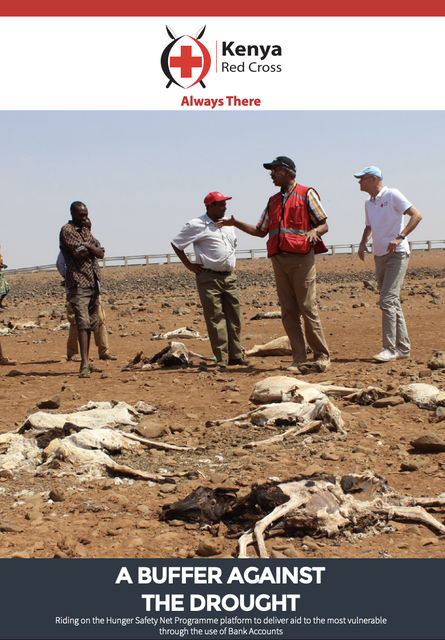
The drought situation in Kenya continues to increase in severity, complexity and spread. Successive seasons of depressed rainfall combined with environmental degradation has seen the drought cycle reduce to between 3 and 4 years with some dry spell being experienced annually. Seasons of depressed rainfall amounts combined with inter community conflicts and limited humanitarian access has further compounded the situation resulting into food and water shortages, acute malnutrition and massive livestock deaths. With the number of counties affected by drought hitting a high of 23, the government declared it a national disaster in mid-February 2017. At the time, approximately 2.6 million people had been reported to be in urgent need of humanitarian assistance. A recent mid-season assessment concluded that the drought affected population had reached 3.5 million up from 2.7 million and that a total of Kshs. 11.1billion would be required for response measures between July and December 20171 .
Hunger safety net program a government funded social protection activity has over 137,534 households registered for cash transfers in Turkana county. About 39,000 of them (referred to as group 1) receive regular bimonthly cash disbursement of Kshs 5400. The remaining 97,000 households are referred to as group 2 and receive only shock responsive cash transfers. At the inception of its cash transfer operation in Turkana county, KRCS was notified by the HSNP partners based in Nairobi that it could use HSNP platform which together with its donor DFID, the GoK had invested heavily in it. In its database of HSNP beneficiaries, GoK has more than 370,000 households registered and issued with ATM cards for the social protection cash transfers