Systemic issues and local perceptions
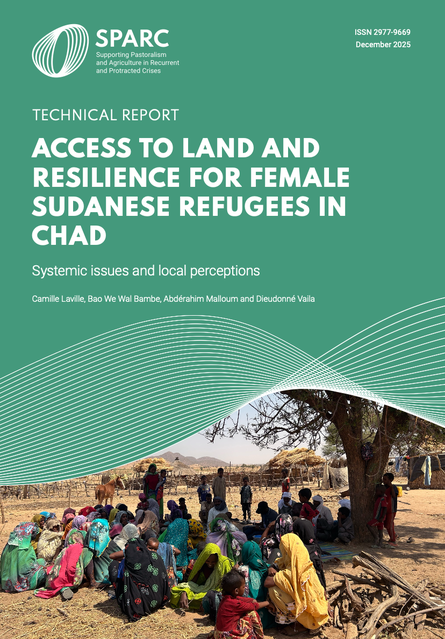
This study explores the obstacles to, and opportunities for, Sudanese refugee women in eastern Chad to access land. It examines systemic barriers and how to improve coordination between stakeholders.
In 2025, more than one million Sudanese refugees, mainly women and children, are living in eastern Chad, and some have been doing so for more than 15 years. The government of Chad and its humanitarian partners wish to support their autonomy through access to land. However, this access is currently mainly provided through agreements with host communities under conditions that are not well known.
The data comes from 30 focus groups conducted with more than 300 people from the Touloum, Djabal and Abou-Tengué refugee camps in February 2025. It is supplemented by a review of grey and academic literature, a study of national budgets, and qualitative interviews with humanitarian, administrative and traditional actors, as well as specialists in gender and land tenure issues in Chad.