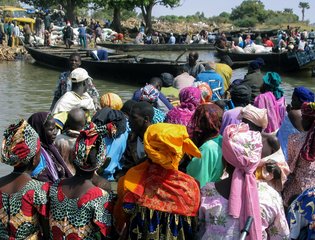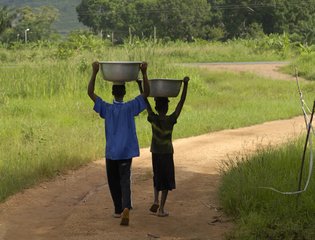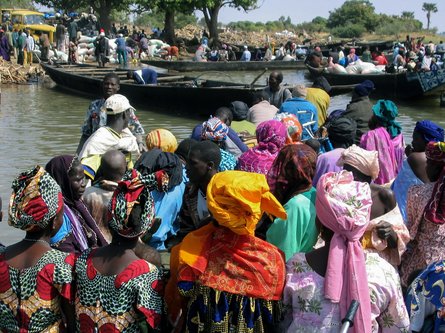
The report examines two country contexts – Mali and South Sudan – which both combine a strong prior presence of US funding, active humanitarian coordination structures and acute levels of needs. The findings shed light on how funding fluctuations influence humanitarian access, service delivery and community coping mechanisms, offering a crucial perspective on resource-driven shifts in the aid system from the perspective of both implementing actors and communities.
You can read the e-reader version of the report and download specific chapters here: Assessing the impact of U.S. funding cuts on communities and humanitarian response or download the full PDF below.