Somalia, Mozambique and Bangladesh cases
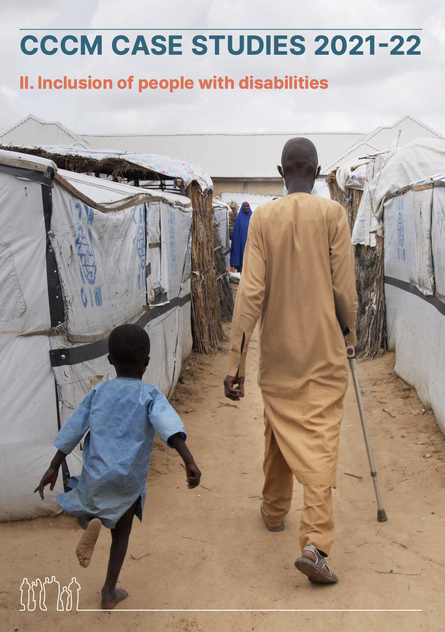
Persons with disabilities are estimated to represent 15 percent of the world’s population. In humanitarian contexts, they often form a much higher percentage. They are among the most marginalized people in crisis-affected communities and are disproportionately impacted by conflict and emergency situations. In disasters, their mortality rate can be two to four times higher than that of persons without disabilities. Persons with disabilities are not a homogenous group, but are diverse in their experience, in their identity, including their age, gender and ethnicity, and in the ways that attitudinal, physical and communication barriers affect them in humanitarian action.
The attitudinal, physical and communication barriers may prevent persons with disabilities from accessing humanitarian services and facilities, sometimes leaving them unaware of their rights and entitlements and unable to share information about needs and concerns, including through reporting mechanisms. These barriers further avert them from actively participating in public life (including in governance and decision-making processes) and influence their agency in both private and public spheres. CCCM practitioners have a critical role to play in strengthening their inclusion in all aspects of a humanitarian response.
While much remains to be done, the CCCM sector can become a powerful advocate for more inclusive humanitarian approaches and adapted multisectoral responses at the site level. Building on existing resources such as the IASC Guidelines for disability inclusion in humanitarian action (2019), the Minimum Standards for Camp Management (2021) and their disability inclusion checklist, the Global CCCM Cluster will continue supporting inclusive initiatives so that persons with disabilities remain visible and high on the agenda.
The case studies presented in this chapter highlight how CCCM agencies work on inclusion in Somalia, Mozambique and Bangladesh, at Cluster or operations level. While approaches may vary by exploring different angles of this cross-cutting issue, participation of persons with disabilities remains a central thread of all initiatives, making the disability movement motto “Nothing about us, without us” a corner stone of disability inclusive actions in CCCM.