Report
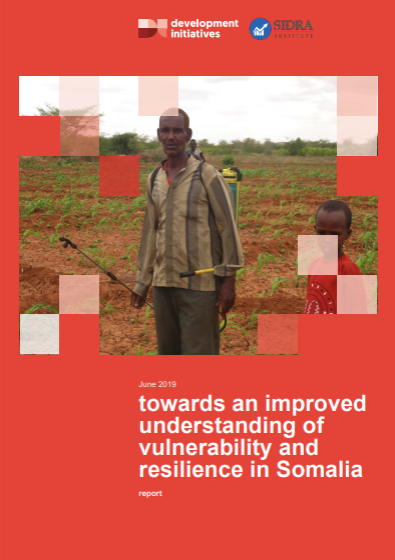
This report examines how different population groups in Somalia experienced, responded to and recovered from recurrent shocks during the 2011 famine and the 2016 drought. Using qualitative field research, it analyses livelihood and coping strategies, drivers of vulnerability and exclusion, and the influence of humanitarian and development actors on community resilience. The study highlights how social networks, remittances, cash assistance and livelihood diversification shape household survival and resilience outcomes, and identifies implications for more inclusive and effective resilience programming in protracted crisis settings.