'Learning from crises' series
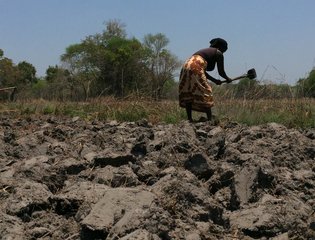
From damaging livelihoods to catalysing conflict, the human cost of drought can be devastating. Since ALNAP’s last paper on lessons for responding to droughts in 2011, the climate crisis has only supercharged its scale, severity and complexity – as we saw when the Horn of Africa ricocheted between floods and drought from 2019–2023.
When reviewing the evidence for this paper, we found some areas in which notable progress has taken place since 2011 (for example, in cash- and market-based programming). Yet certain issues have remained stubbornly resistant to change, despite a proliferation of discourse around them:
- Early warning is still a key concern in the literature, yet swift reactions to early signs of drought are still rare.
- The literature still reflects the experiences of aid providers, rather than people receiving aid and is still overwhelmingly produced in the Global Minority.
- Localisation, while increasingly embraced in theory, is still rarely seen in practice.
While drought has escalated, funding for humanitarian assistance has shrunk dramatically. This perfect storm of soaring need and plummeting resources has hit those least equipped to weather it the hardest. Against this backdrop, closing the gap between policy and practice has never been more urgent.
The lessons in this paper aim to do just that, drawing on the hard work and commitment of humanitarian and community responses to drought. They reflect the wealth of learning accumulated in our sector – and years of experience of well-intentioned strategy meeting on-the-ground reality. As a sector, we are collectively accountable for making the most of that learning. It is in this spirit that we offer these lessons to humanitarian actors worldwide.
About the 'Learning from crises' series
ALNAP Learning from Crises papers gather learnings from past humanitarian responses and present them as digestible, practical lessons for humanitarian actors designing and preparing future responses.
The series is aimed at a broad audience — from humanitarian organisations and civil society to national, regional and local governments and donors. Rather than providing definitive answers to the question 'what works?', the papers highlight critical issues to consider when designing and implementing responses. Readers are trusted to identify which lessons are most relevant to their context and how best to put them into practice.