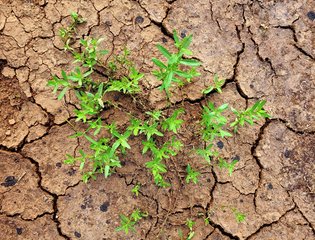
Somalia’s recurring droughts, famines, and conflict highlight the urgent need for coordinated action among government, development partners, local providers, researchers, the private sector, and affected communities. The 2011 famine, which claimed over 250,000 lives, exposed severe weaknesses in preparedness and governance. By contrast, the 2016 near‑famine demonstrated improved coordination, clearer disaster mitigation plans, and households adopting new coping strategies.
This policy note synthesizes lessons from both famines , showing how communities adapted through new coping strategies, social networks, and cash transfers, while highlighting persistent vulnerabilities among IDPs, women, minorities, and people with disabilities, and offering recommendations for integrated humanitarian and development approaches to strengthen resilience.
Resource collections
- Accountability to affected populations (AAP)
- ALNAP focus topics
- Climate emergency
- Coordination
- Development Initiatives archival collection
- Droughts
- Humanitarian-Development-Peace nexus
- Innovation
- Leadership
- Learning from crises (Natural hazards)
- Locally led humanitarian action
- Somalia humanitarian response